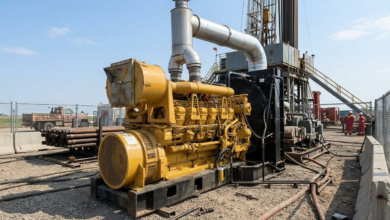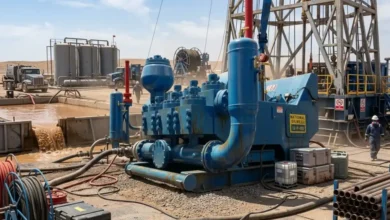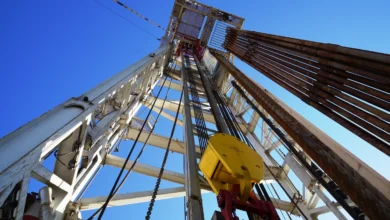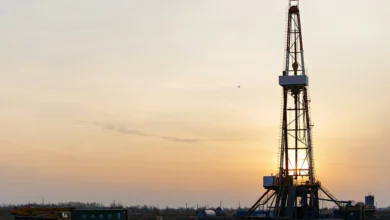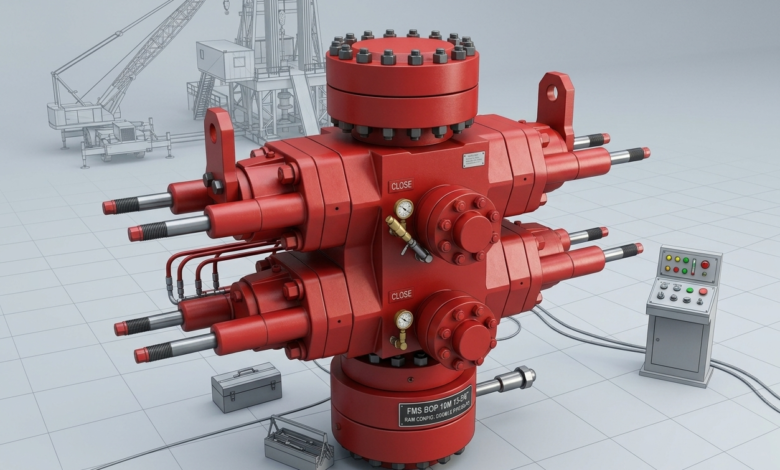
Well Control System
The well control system is the safety backbone of a workover rig. Its job is to keep oil, gas, and water from flowing uncontrolled out of the formation and into the wellbore. During workover operations, pressure conditions in an older well can change quickly, so this system gives the crew the equipment and procedures needed to detect a problem early, shut the well in, and restore control.
Main Components
Blowout Preventer (BOP) Stack: The centerpiece of the system. It is a set of high-pressure valves installed on top of the wellhead that can seal the well. A typical stack includes an annular preventer, which closes around any pipe size, pipe rams for a specific pipe diameter, and blind rams that seal the hole completely when no pipe is present.
Accumulator (BOP Control Unit): Stores hydraulic fluid under high pressure in nitrogen-charged bottles. When the crew activates a BOP function, this stored energy closes the preventers within seconds, even if the rig engine fails. Remote panels let the crew operate the BOP from a safe distance.
Choke Manifold: A network of valves and adjustable chokes connected to the BOP stack. It lets the crew control the flow coming out of the well and maintain back pressure while an influx is circulated out.
Choke and Kill Lines: The choke line carries fluid from the BOP stack to the choke manifold, while the kill line allows heavy fluid to be pumped into the well when the normal path is unavailable.
Safety Valves and Inside BOP: Full-opening safety valves and check valves are kept on the rig floor and installed on the work string to stop flow up the pipe.
Trip Tank and Monitoring Equipment: The trip tank measures fluid volume accurately while pulling or running pipe. Along with pit volume sensors, flow-out sensors, and pressure gauges, it helps the crew spot a kick early.
Mud-Gas Separator: Removes gas from returning fluid and vents it safely away from the rig floor.
How the System Works
Well control happens in layers. The first layer, called primary control, relies on the weight of the workover fluid in the well to hold back formation pressure. If that fails and a kick occurs, the crew moves to secondary control: they stop operations, check for flow, close the safety valve, and shut in the well with the BOP. Pressures and pit gain are recorded, and a kill method such as the Driller’s Method, Wait and Weight Method, or bullheading is used to remove the influx and restore balance.
Why It Matters
A kick can become a blowout within minutes, putting lives, the environment, and the entire operation at risk. Early detection, regular BOP function and pressure testing, properly maintained equipment, and trained crews are what make the difference. Frequent kick drills and clear stop-work authority help every crew member react quickly. A reliable well control system is not optional; it is what allows every other system on the rig to work safely.