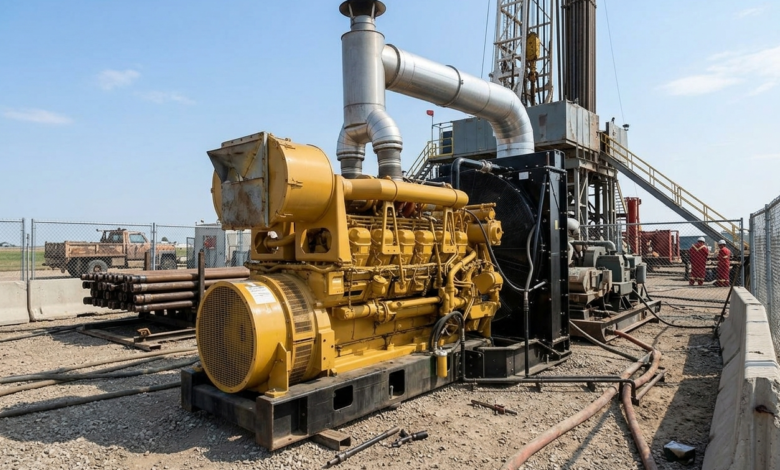
Power System
The power system is the energy source that drives every other system on a workover rig. It generates and delivers the power needed to run the hoisting equipment, rotary system, mud pumps, and auxiliary tools. Because workover rigs are built for mobility and fast rig-up, their power systems are typically compact, efficient, and designed to work reliably in remote field conditions.
Main Components
Prime Mover (Engine): The main source of power on the rig. Most workover rigs use diesel engines, which offer high torque, durability, and easy fuel availability. On truck-mounted rigs, the same carrier engine may power both transport and rig operations, while larger units use a dedicated engine.
Transmission and Torque Converter: The transmission transfers engine power to the drawworks and other equipment. A torque converter, often paired with it, smooths power delivery, allows the engine to start under heavy load, and protects the drivetrain from sudden shocks.
Power Transfer System: Power reaches the rig components through mechanical drives (chains, sprockets, and clutches), hydraulic systems, or electrical systems. Mechanical drives are common on traditional rigs, while hydraulic and electric systems offer finer control and are increasingly used on modern units.
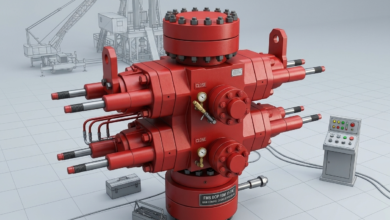
Hydraulic System: Pumps, hoses, and valves that power tools such as power tongs, BOP accumulators, outriggers, and the mast-raising mechanism. Clean fluid and well-maintained hoses are essential for consistent performance.
Generators: Supply electricity for rig lighting, control panels, sensors, and safety equipment. Reliable lighting is especially important for night operations.
Air System: Compressors provide compressed air for clutches, brakes, and other control functions on many rigs.
Fuel and Cooling Systems: Fuel tanks, filters, radiators, and cooling lines keep engines running at the right temperature and protect them from overheating during long jobs.
How the Power System Works
The engine produces mechanical power, which is sent through the transmission to the drawworks, rotary system, and mud pumps. At the same time, hydraulic pumps and generators supply energy for tools, controls, and lighting. The operator manages this power distribution from the control console, adjusting speed and load as the job requires.
Why It Matters
Without dependable power, no other system can function, and a sudden failure during a critical operation can create serious safety risks. Regular engine servicing, fuel and oil checks, hydraulic inspections, and clutch and brake maintenance help prevent breakdowns. Efficient power management also lowers fuel costs and reduces emissions, which matters more as the industry moves toward cleaner and more fuel-efficient equipment.