Rotating System
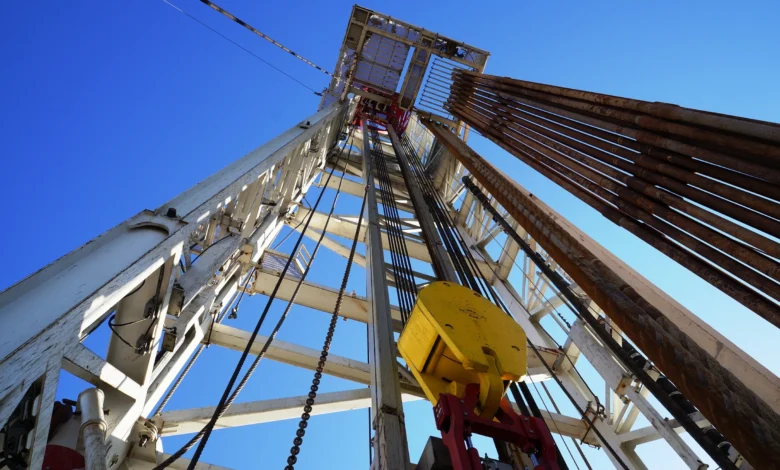
The rotating system provides the turning force needed to rotate tubing, drill pipe, and tools inside the wellbore. In workover operations, this rotation is used for tasks such as milling out plugs, drilling out cement or bridge plugs, cleaning out sand and scale, fishing for stuck or lost equipment, and making up or breaking out threaded connections. While a workover rig does not drill new wells, a reliable rotary system is what allows it to handle these demanding downhole jobs.
Main Components
Rotary Table: A heavy-duty turntable mounted on the rig floor that rotates the work string. Powered through a chain drive or transmission, it transfers torque to the pipe through the kelly bushing. Many modern workover rigs use it for conventional rotation tasks.
Power Swivel: A compact, portable rotating unit that is often used instead of a rotary table on smaller workover rigs. It hangs from the traveling block and rotates the string directly, while also allowing fluid to be pumped through it. Its flexibility and easy setup make it very popular in field operations.
Kelly and Kelly Bushing: The kelly is a square or hexagonal pipe that transmits rotation from the rotary table to the drill string. The kelly bushing fits into the rotary table and grips the kelly, letting it move up and down freely while turning.
Swivel: This component supports the weight of the string and allows it to rotate while mud or fluid is pumped down through it. It connects the non-rotating hoisting system to the rotating string.
Drill String and Downhole Tools: This includes the pipe, drill collars, bits, mills, and other tools that perform the actual work at the bottom of the well. Torque from the surface is transmitted through the string to these tools.
Power Tongs: Hydraulic tools used to tighten and loosen threaded connections quickly and with controlled torque, improving speed and safety on the rig floor.
Why It Matters
A well-functioning rotary system allows operators to complete complex jobs efficiently while minimizing the risk of damaging the well. Controlling torque and rotation speed is critical, since too much torque can twist off a string, while too little may leave a job unfinished. Regular maintenance of the rotary table, swivel, and tongs, along with proper torque monitoring, helps ensure safe and productive operations.